
Working Papers

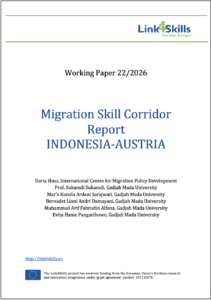
Migration Skill Corridor Report: INDONESIA-AUSTRIA

Migration Skill Corridor
Report: INDONESIA-AUSTRIA  

This report examines the emerging Migration Skill Corridor between Indonesia and Austria, focusing on how cooperation in vocational training is creating new opportunities for skilled labour mobility. Drawing on 17 interviews conducted in both countries, it analyses the legal and institutional frameworks governing recruitment, skills development, qualification recognition, migration procedures and integration.

The findings show that the corridor has developed from earlier cooperation in vocational education, particularly in woodworking, metalworking and tourism. Training programmes based on Austrian standards have attracted employers seeking skilled workers in shortage occupations. This shared interest has led to bilateral agreements on vocational training in 2022 and skilled worker recruitment in 2024, providing a foundation for closer cooperation. Emerging recruitment initiatives in healthcare are further expanding the corridor’s potential.

Significant challenges remain, including demanding German language requirements, complex qualification recognition and visa procedures, limited access to affordable training and insufficient information about employment opportunities. Although interest is growing, the number of Indonesian skilled workers migrating to Austria remains relatively small.

The report highlights opportunities to strengthen bilateral cooperation, simplify administrative procedures and improve access to language and vocational training. It also stresses the importance of transparent, ethical recruitment and migrant protection to ensure that the corridor develops sustainably, benefiting Austrian employers and Indonesian workers alike.
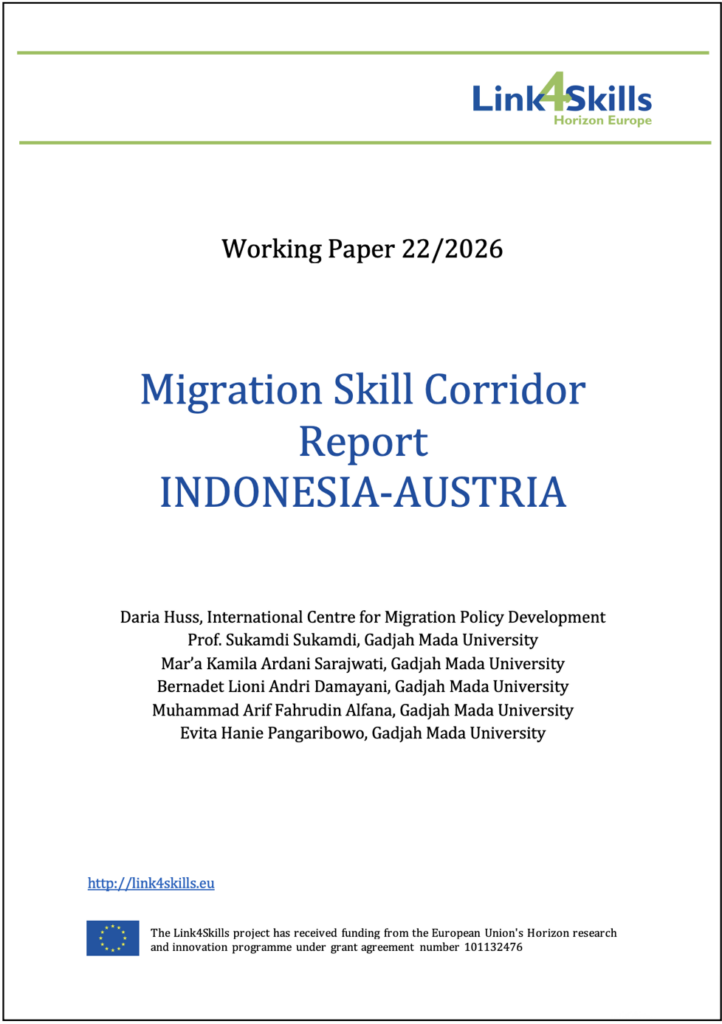

Migration Skill Corridor Report: INDONESIA-AUSTRIA

Migration Skill Corridor
Report: INDONESIA-AUSTRIA  

This report examines the emerging Migration Skill Corridor between Indonesia and Austria, focusing on how cooperation in vocational training is creating new opportunities for skilled labour mobility. Drawing on 17 interviews conducted in both countries, it analyses the legal and institutional frameworks governing recruitment, skills development, qualification recognition, migration procedures and integration.

The findings show that the corridor has developed from earlier cooperation in vocational education, particularly in woodworking, metalworking and tourism. Training programmes based on Austrian standards have attracted employers seeking skilled workers in shortage occupations. This shared interest has led to bilateral agreements on vocational training in 2022 and skilled worker recruitment in 2024, providing a foundation for closer cooperation. Emerging recruitment initiatives in healthcare are further expanding the corridor’s potential.

Significant challenges remain, including demanding German language requirements, complex qualification recognition and visa procedures, limited access to affordable training and insufficient information about employment opportunities. Although interest is growing, the number of Indonesian skilled workers migrating to Austria remains relatively small.

The report highlights opportunities to strengthen bilateral cooperation, simplify administrative procedures and improve access to language and vocational training. It also stresses the importance of transparent, ethical recruitment and migrant protection to ensure that the corridor develops sustainably, benefiting Austrian employers and Indonesian workers alike.